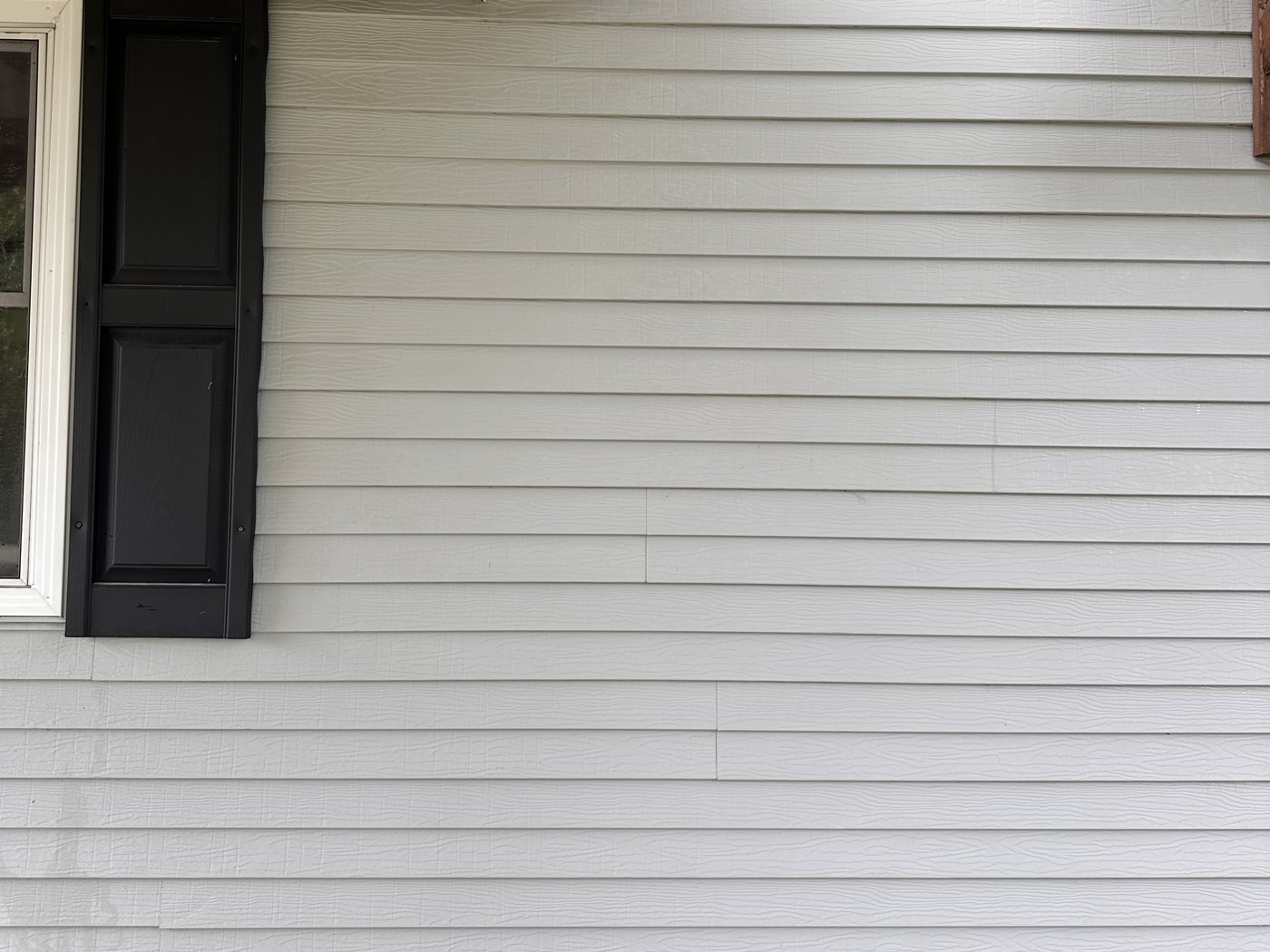
Siding & Stucco
Vinyl, stucco, fiber cement, and brick — years of algae and mildew lifted at the root with a low-pressure, biodegradable rinse.
Get a fast quoteWe’ll make your home look new again.
Soft washing is a low-pressure cleaning method that uses biodegradable solutions to kill algae, mold, and mildew at the root — safe for siding, stucco, roofs, and painted surfaces. JBL Exterior Pros soft-washes homes across Altoona and central Iowa, with results that last 18–24 months. From Original Altoona, Bayard, Brookside to the rest of Altoona, JBL covers every ZIP in the city — 50009, Polk County.
Altoona has expanded fast — most of its housing footprint is 2000s–present subdivisions north and east of the original town core, mixing single-family and townhome construction. The conventional metro-suburban template applies: vinyl siding with stone-veneer fronts, asphalt shingles, attached 2- and 3-car garages, large gabled elevations.
Older Altoona near the original main street has 1940s–60s homes with more brick and more original wood trim. Some properties near Adventureland and Prairie Meadows are commercial-edge — service businesses, hotels, and a few older homes that predate the entertainment-corridor development.
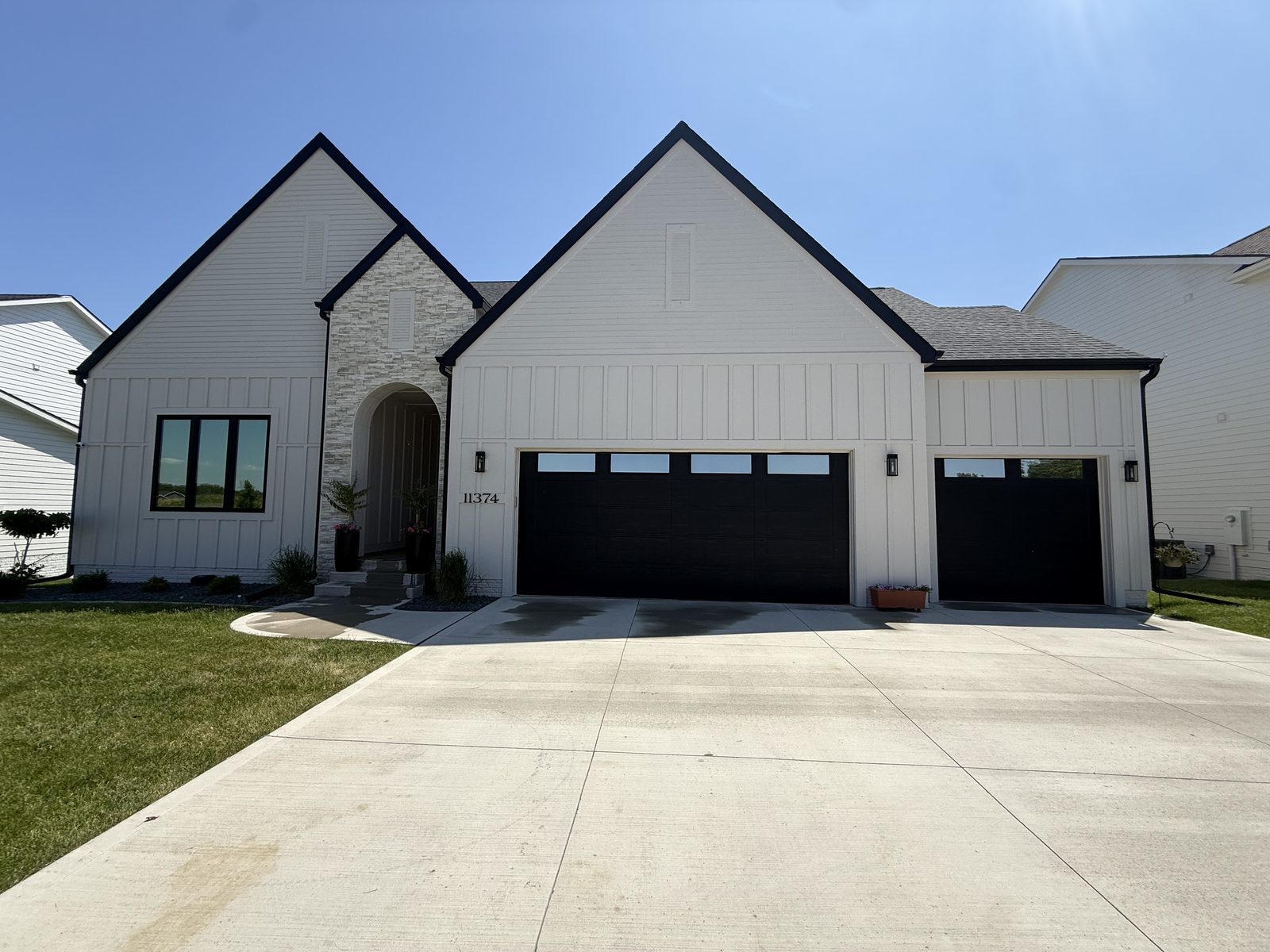
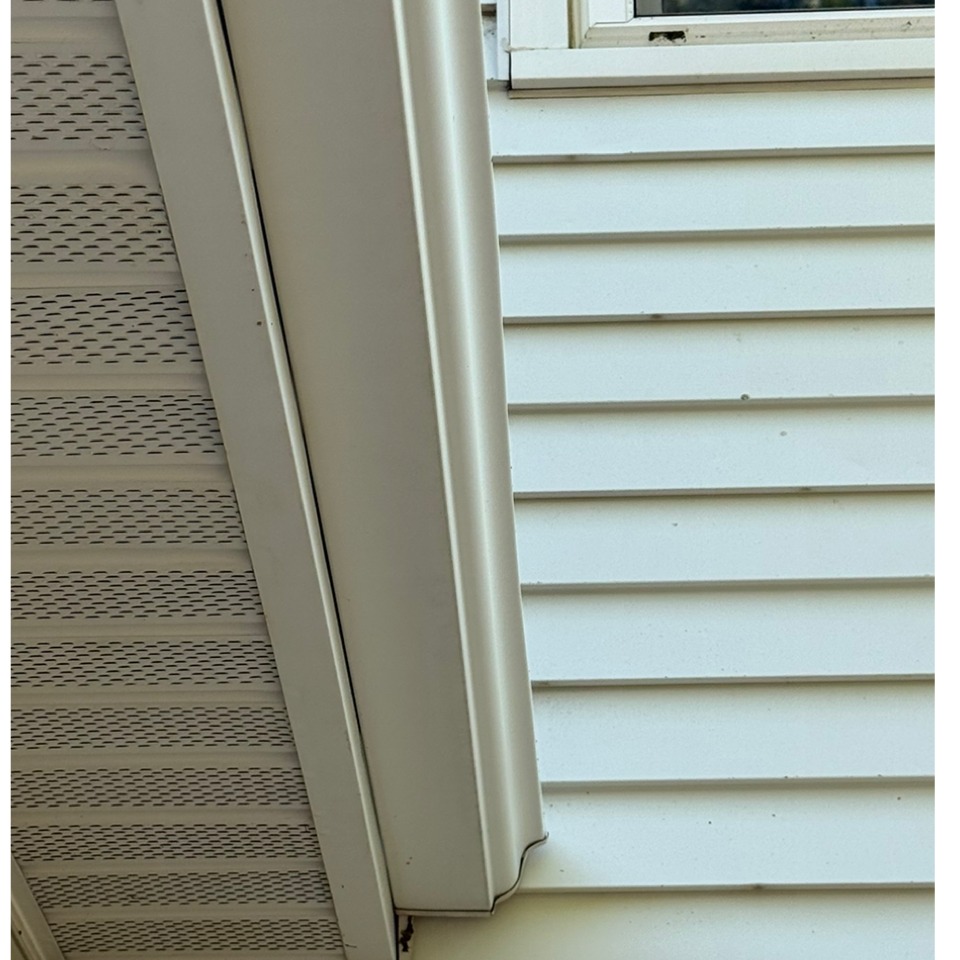
Soft washing is the work we see most in Altoona, because so much of the housing is the right age for it. Vinyl siding on the north-facing walls of those 2000s-and-newer subdivisions north and east of the core — Brookside, Brookview, Crawford Creek, the Centennial Park area — is the most reliable algae-streak surface here, where the black-green film shows up first.
Older painted wood and trim near Original Altoona's main street gets the gentlest chemistry and more careful handling. It's all garden-hose pressure plus a biodegradable cleaner that kills the growth at the root, and the earliest of those subdivisions are now old enough that north roof slopes are starting to streak too. A proper soft wash holds 18 to 24 months — not a blast that would damage the siding.
Vinyl, stucco, fiber cement, and brick — years of algae and mildew lifted at the root with a low-pressure, biodegradable rinse.
Get a fast quote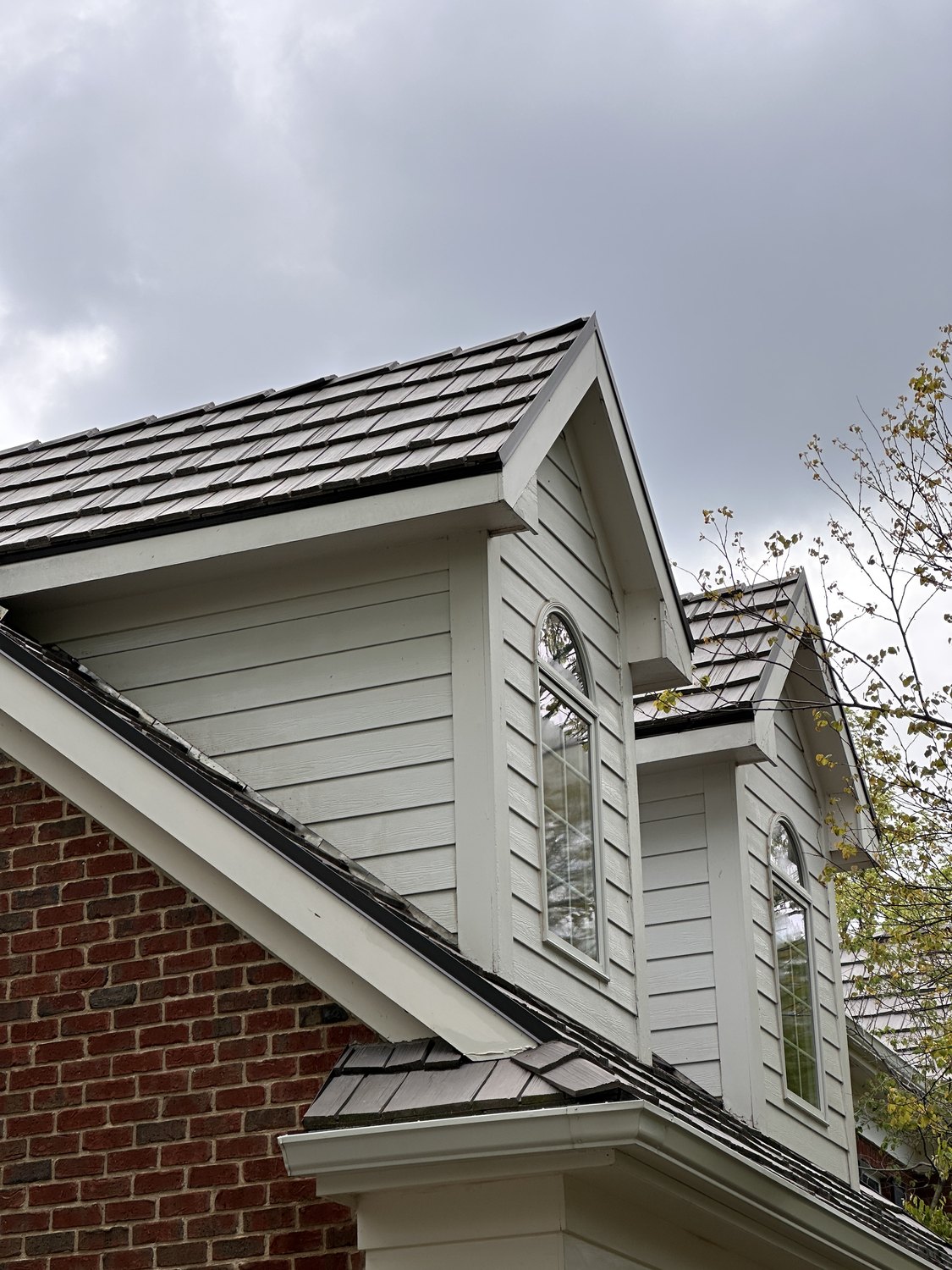
Black streaks and moss cleared from shingles and shakes — no high pressure, no granule loss, no walking on a fragile roof.
Get a fast quotePainted railings, cedar fences, and decking brought back to life — the growth removed without ever stripping the finish.
Get a fast quote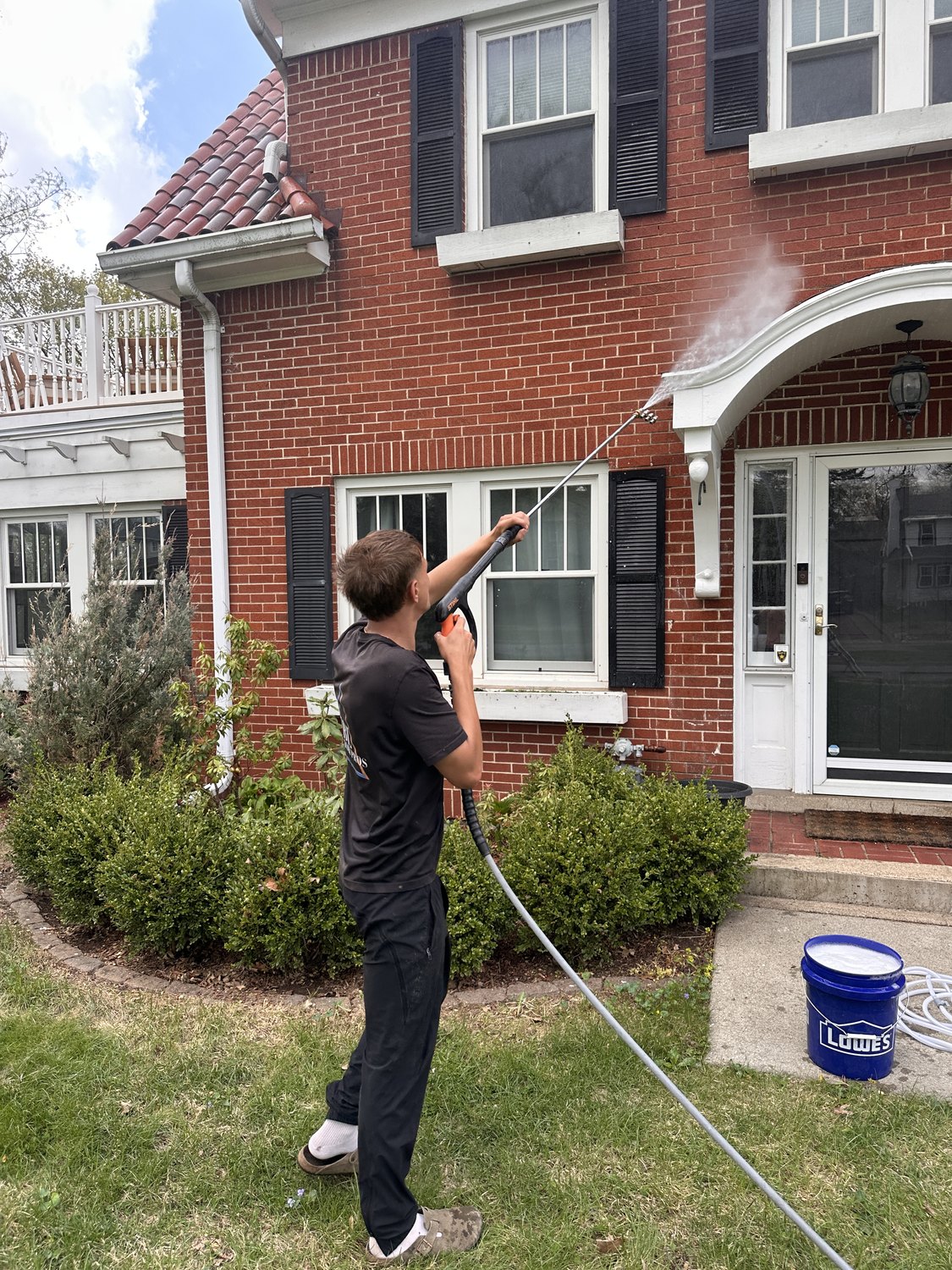
Soffits, fascia, and painted trim cleaned of the growth that collects under gutters and around windows.
Get a fast quoteAdd soft washing, pressure washing, or gutter cleaning to your soft washing package and get your whole Altoona home done in one visit — at one discounted price.
Skip the runaround. Tell us about your home and the surfaces you want cleaned, and get clear, honest pricing — fast, with no pressure.
We come at a time that works for you, show up when we say we will, and soft wash to the highest standard.
You don’t lift a finger. We protect your landscaping, wash every surface, and leave your home looking new again.
Real reviews from the families and properties we’ve cared for across central Iowa.
“Amazing job! Our house looks like it got a brand new paint job. The team was so friendly and kind to our family and we are so happy with how it turned out. 10/10 would recommend and will use them again in future years.”
“The crew came and did my windows, the deck, and soft-washed the house — they did a great job. Up-and-coming young company doing good work.”
“Super thorough, prompt, professional — and fantastic work. Our house sparkled when they were finished. I've hired window washers before and was always bummed by streaks the next day. Not so with JBL — everything looked perfect, even after it rained.”
“We used JBL Exterior Pros for a complete exterior soft washing of our home and are extremely happy with the results. The work was completed exactly as promised and on schedule. A team of four arrived promptly, were professional and courteous, and did an exceptional job with minimal disruption.”
“JBL did a fantastic job soft washing our house and deck for a very reasonable price. The dirt had piled up on our siding over the years and I'd tried to clean it myself to no avail. They were upfront, easy to work with — we're having them back for the windows and screens.”
“Very dependable folks who do great work — I've got their number filed. Window cleaning, power-spray decks, sidewalks, driveways. These kids do it all at a very reasonable price. Highly recommend.”
Locally owned and on the road across the metro — from downtown Des Moines out to Ames, Adel, and Indianola. If you’re near one of these, we’ve got you covered.
The things Altoona homeowners ask us most, before the first visit. Don’t see yours? Just ask.
Yes — JBL Exterior Pros covers every Altoona neighborhood and ZIP code (50009, Polk County), from Original Altoona, Bayard, Brookside to Adventureland Estates. We're on Altoona streets regularly — only 8 miles from downtown Des Moines.
Pressure washing uses high pressure — right for concrete, brick, and hard surfaces. Soft washing uses low pressure plus a biodegradable cleaner — the only safe method for siding, stucco, painted surfaces, and roofs.
Yes. We use biodegradable, plant-safe cleaners and pre-rinse all landscaping before and after. We'll ask you to keep pets indoors during application.
A proper soft wash kills algae and mildew at the root — most surfaces stay clean 18 to 24 months. Annual members get scheduled re-treatments before re-growth shows.
Soft washing in Altoona is priced by the size of your home and the scope of the job — every Altoona property is a little different. Every quote is free and walked in person within one business day, so the price reflects the actual home, not a flat rate.
Landscape protection is built into the process. We pre-rinse all plants and beds before applying any solution, tarp sensitive species where needed, and rinse again after the job. The cleaning solution is biodegradable and breaks down within hours. Tell us about any species you're particularly concerned about during the walk-through.
Soft washing kills the organic growth (algae, mildew) but won't strip intact paint. For chemical paint removal you'd want a different process. For cedar shake darkening caused by mildew, soft washing usually restores the original color — but heavily weathered cedar may need refinishing afterward.
Pressure washing siding strips paint, damages caulking and seals around windows, and forces water behind the cladding — which can cause hidden rot. Most siding warranties explicitly require soft-wash methods. The pressure that's right for concrete is wrong for vinyl, wood, stucco, fiber cement, and painted surfaces.
There's a mild chlorine odor during application (similar to a freshly-cleaned pool deck) that dissipates within 30–60 minutes. You can be home. Keep windows closed during the work and pets indoors. Outdoor entertaining is fine the same evening.
A JBL rep walks your Altoona property in person within one business day — honest pricing, real recommendations, no obligation.